

organic cotton
WHAT IS ORGANIC COTTON?
-

WITHOUT GENETIC ENGINEERING
No use of genetically modified seeds.
-

NATURAL CULTIVATION
Crop rotation, mixed cropping and natural methods strengthen healthy soils.
-

SAVES WATER
Reduced water consumption and protection of groundwater.
-

GOOD FOR PEOPLE
Healthier working conditions for farmers and their communities.


WHY ORGANIC COTTON IS THE BETTER COTTON

ENVIRONMENT & RESOURCES
Organic cotton is grown without synthetic pesticides and chemical fertilizers. This significantly reduces the burden on soil, water, and surrounding ecosystems. At the same time, water is used more consciously, which plays a crucial role, especially in dry growing regions.

PEOPLE & WORKING CONDITIONS
Organic cotton farming protects the health of people working along the supply chain. Farmers and their families do not come into contact with toxic chemicals and more often benefit from more stable, fairer working conditions and community structures.

QUALITY & DURABILITY
Organic cotton is characterized by robust, skin-friendly fibers. The fabrics are durable, comfortable to wear, and versatile – a crucial factor for clothing and textiles intended for long-term use.

PRICE & CONSCIOUS DECISION
Organic cotton is generally more expensive than conventional cotton. However, the price reflects the higher costs of cultivation, the avoidance of harmful chemicals, and the better conditions for people and the environment. Choosing organic cotton means investing in quality, transparency, and long-term value.
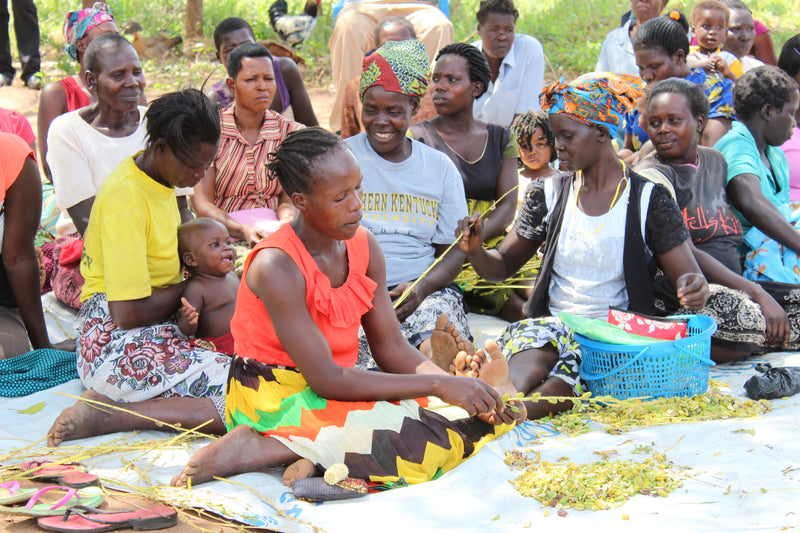
GENDER EQUALITY & EMPOWERMENT
In many organic cotton-growing regions, women play a central role – both in agriculture and in cooperatives and communities. In organic cotton farming, they are disproportionately represented in responsible areas, such as seed production, the management of organic farms, or training programs. Organic cotton creates healthier working conditions and often provides women with their first access to training, their own income, and long-term prospects. This empowerment strengthens entire communities and has a lasting impact across generations. By choosing organic cotton, consumers not only promote ecological standards but also equality, self-determination, and fair participation.
THE BENEFITS OF ORGANIC COTTON AT A GLANCE
Reduced agricultural inputs such as mineral fertilizers, pesticides, and lower energy consumption.
Fewer emissions from fertilizers and lower energy consumption.
Reduced release of nitrogen and phosphorus into soils and waters.
Less irrigation through rain-based farming methods.
Savings through reduced use of energy-intensive resources.
genetically modified seeds
toxic chemicals
*Source: Textile Exchange – Comparison of organic cotton vs. conventional cotton

FREQUENTLY ASKED QUESTIONS ABOUT ORGANIC COTTON
What is organic cotton?
Organic cotton comes from controlled organic cultivation. Synthetic pesticides and chemical fertilizers are not used. This protects soils and ecosystems and simultaneously improves conditions for people along the supply chain.
Why is organic cotton usually more expensive?
Cultivation is often more complex and yields can be lower. At the same time, costs are invested in better standards, transparency, and controlled supply chains. Ultimately, you are investing in quality, responsibility, and long-term added value.
Is organic cotton always GOTS-certified?
Not automatically. "Organic" primarily describes the cultivation of the fiber. Certifications such as GOTS additionally refer to further processing and criteria along the supply chain. You can always find out whether and which certification applies directly on the respective product page.
Do you only offer organic products – or also deadstock?
We carry both organic cotton fabrics and selected deadstock. Deadstock refers to high-quality surplus materials from existing production runs that are reused instead of going to waste. Origin, composition, and any certifications are always clearly stated directly with the product.
What is the best way to care for cotton fabrics?
This depends on the type of fabric and its finish (e.g., jersey, woven fabric, elastane content). Generally, gentle washing and following the care instructions on the product are recommended. This will help the surface stay beautiful and the colors remain vibrant for longer.